
Across northern Europe, few sanctuaries offer such a harmonious union of majesty and tranquility as the Marble Church, known locally as Frederik’s Church. Rising gracefully above the cityscape of Copenhagen, this iconic building beckons with its ethereal white marble exterior and striking, enormous dome—inviting visitors into a realm where dream and reality intermingle. Here, devotion is elevated to art, space breathes history, and every guest becomes part of an exclusive circle where beauty, reverence, and timeless elegance reign supreme.
A jewel sculpted from ambition and artistry
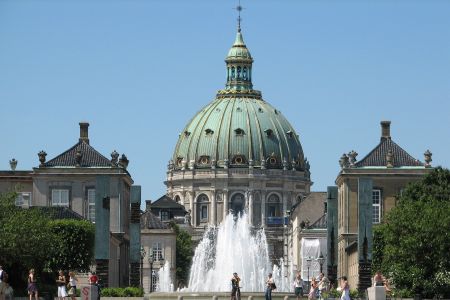 Shaped by an era of grandeur, the Marble Church stands as far more than an impressive church; it is a testament to King Frederik V’s vision—a sanctuary that marries spirituality with artistry, becoming an enduring symbol of Danish enlightenment. Its very structure is a tactile hymn to rococo architecture, meticulously designed to enchant from every perspective and enriched by the hand of master craftsmen.
Construction began in 1749, at the zenith of rococo refinement in Scandinavia. Only materials of rare purity would suffice for such ambition. Pristine Norwegian marble was transported across wild seas, chosen not just for strength, but for its luminous, almost living quality—the reason this beautiful church continues to gleam even beneath Denmark’s winter skies.
The triumphant dome and its historic echoes
If one feature defines the Marble Church, it is undoubtedly the enormous dome: bold, immense, and encircled by twelve steadfast columns. Approaching through Frederiksstaden, the colossal form rises, echoing the eternal aspirations of St. Peter’s Basilica in Rome. Every curve and rib draws gazes heavenward, as light dances across milky stone and gilded ornamentation.
This monumental cupola reaches over thirty meters in height, asserting itself among the world’s architectural wonders. The journey from foundation to completion was long and storied—construction halted and resumed over decades—until, in 1894, the doors finally opened. Today, it endures as one of the most magnificent houses of faith in northern Europe.
- The dome is among Scandinavia’s largest, measuring upwards of 31 meters across.
- Its design ensures remarkable acoustics, infusing ceremonies and concerts with resonant warmth.
- From the dome’s gallery, breathtaking views unfold across Copenhagen’s historic quarters and waterways.
The exceptional artistry within
To cross the great portico is to enter an atmosphere reserved for cathedrals whose purpose transcends mere function. Silence reigns golden. Sunlight filters through intricate stained-glass windows, creating shifting tapestries upon marble aisles worn smooth by pilgrims, sovereigns, and seekers of beauty alike.
Twelve apostles stand in stately procession along the nave, sculpted from snowy marble, each inviting quiet contemplation. Gold leaf and delicate stucco motifs bloom high overhead, referencing Denmark’s golden age while remaining anchored in evangelical Lutheran church tradition. In every flourish, commitment to spiritual craftsmanship endures, unwavering through centuries.
Rare materials and inspired techniques
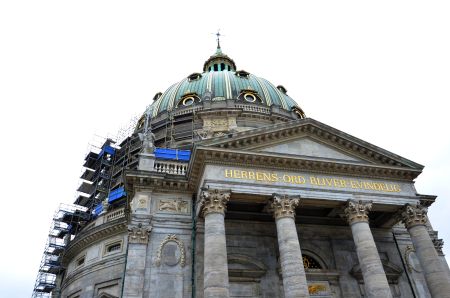 The search for perfection led artisans to source only the purest blocks of marble, prized for resilience and spectral radiance. Each piece was painstakingly shaped and polished, revealing nature’s palette—from shimmering whites to subtle greys and ivories. Decorative details drew inspiration from ancient Greek classicism, reflecting the intellectual curiosity and cosmopolitan luxury of the time.
Sculptors and painters collaborated with architects to ensure harmony; nowhere do embellishments overshadow sacred purpose. Instead, visual poetry emerges in every detail—the curl of a capital, the glint of inlaid gold, the gentle undulation of balustrades guiding worshippers forward, always toward the light. For those craving a truly refined experience when exploring such cultural gems, visitors may want to consider luxury transportation services in Copenhagen to complement their visit with elegance and comfort.
An evolving destination of meaning
This impossibly beautiful church lives on not only through daily liturgy, but as a focal point for music, reflection, and cultural gatherings. Both Danes and discerning travelers find resonance in the seamless integration of tradition and contemporary sensibility—creating an experience layered with depth, nobility, and gentle solemnity.
The organ sends crystalline notes soaring through marble galleries, while candlelit services animate the walls in shadows—echoes of celebrations spanning generations. Such moments elevate the Marble Church beyond a simple destination, granting it the status of cherished sanctuary in Copenhagen’s collective soul.
The power of place: embracing Copenhagen’s ethos
Nestled amid the refined avenues of Frederiksstaden, the Marble Church extends its aura well beyond religious boundaries. Surrounded by stately townhouses and embassies, and steps from Amalienborg Palace, this imposing structure serves as a serene counterpoint to metropolitan bustle. Locals and privileged guests are drawn here, savoring fleeting moments of calm beneath the dome’s protective embrace.
Copenhagen’s artistry flourishes here. Whether strolling beside gilded gates or arriving by chauffeured car, where luxury unfolds with discretion and grace, proximity to the Marble Church signals entry into a rarified world—a tapestry where urban rhythm converges with cultural heritage and contemplative serenity.
The sensory landscape of an icon
Each encounter with the Marble Church is heightened by the sensory richness unique to places imbued with history. As fingers glide along chilled marble balustrades, as footsteps soften upon the lunar-white nave, the senses awaken to a higher order of experience—one that lingers long after departure.
The changing seasons bring transformation. Autumn sunlight ignites prisms upon organic veining in the marble, while midsummer nights see lamplight bathing statues and frescoes in warm gold, enveloping all present in rare intimacy. Each visit becomes a personal voyage—a singular convergence of emotion, memory, and discovery.
Practical elegance: how to experience the marble church?
Visiting this extraordinary building merits preparation worthy of its stature. Those seeking entry to the most beautiful church in Copenhagen may opt for bespoke travel arrangements—private chauffeur service ensuring arrival is seamless, elegant, and entirely personalized. Such opulent interiors demand journeys marked by serenity and sophistication, where every detail reflects the spirit of exclusivity.
Upon entering, let yourself linger with intention. Join guided tours led by passionate historians, or simply rest quietly in a pew, absorbing the interplay of shadow and silence. Special events—from choral concerts to festive masses—invite immersion into authentic Danish culture and spirituality, all framed by centuries-old marble destined to outlast us all.
- Opening hours typically accommodate both morning and late afternoon visits to suit diverse itineraries.
- Photography is permitted except during services, encouraging respectful enjoyment of artistry and ambiance.
- Accessibility is thoughtfully considered: gentle ramps and attentive staff welcome every guest.
Frequently asked questions about the Marble Church in Copenhagen
What makes the Marble Church the most beautiful church in Copenhagen?
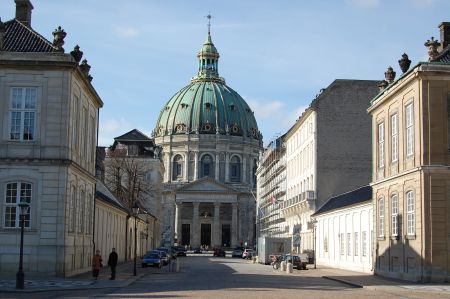 The Marble Church captivates with its harmonious blend of rococo architecture, majestic proportions, and radiant white marble exterior. Its enormous dome and exquisitely crafted interior, inspired by European masterpieces yet uniquely Danish in spirit, immerse visitors in a tranquil and profoundly moving atmosphere. No other church in Copenhagen so elegantly unites royal history, artisanal mastery, and serene spirituality.
Can visitors access the dome or special areas of the church?
Yes, the Marble Church offers guided climbs to the dome several days each week, outside of regular services. This ascent rewards visitors with panoramic views of Copenhagen’s skyline, making it a favorite among architecture lovers and photographers. Access may depend on weather or special events, so confirming ahead is advised by consulting available schedules with staff.
- Dome visits usually take place midday or early afternoon.
- Steps are steep; suitable footwear and moderate fitness are recommended.
How does rococo architecture influence the design of Frederik’s Church?
Rococo architecture reveals itself in the delicate ornamentation, curving lines, and masterful use of natural light throughout Frederik’s Church. Drawing inspiration from the late Baroque, rococo emphasizes grace and decorative richness—every element, from floral stucco to gilded capitals, embodies this movement. The result is a space both regal and intimately welcoming, fostering a profound emotional journey for every guest.
What distinguishes the Marble Church from other iconic buildings in Copenhagen?
While Copenhagen boasts many renowned sites, the Marble Church stands apart thanks to its monumental scale and intimate resonance. Few buildings combine such exceptional materials—including Norwegian marble—with a narrative woven from royal ambition, community resilience, and unparalleled craftsmanship. This fusion of sacred and aesthetic values secures the Marble Church’s preeminence among the city’s treasures.
| Feature | Marble Church | Other Landmarks |
|---|---|---|
| Dome diameter | 31 m | Often smaller |
| Main material | White Norwegian marble | Brick or sandstone |
| Style | Rococo/Evangelical Lutheran | Various |