
In the heart of Copenhagen, a sanctuary unfolds where quiet sophistication and creative audacity intermingle—a universe woven of rarefied elegance and visionary craftsmanship. The Design Museum Denmark stands as both guardian and showcase of an aesthetic tradition that continues to enchant connoisseurs the world over. Here, luxury is distilled not through ostentation but through clarity of purpose, purity of form, and the whispered promise of enduring value. Let yourself be beckoned into this curated realm of iconic danish design, where each piece speaks of heritage, invention, and sublime attention to detail.
Tracing the evolution of danish design artistry
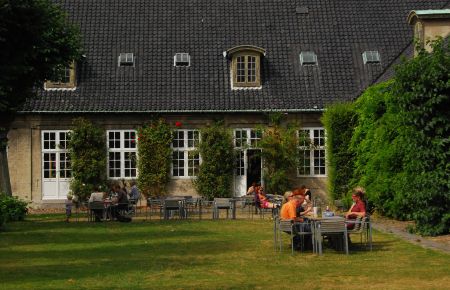 The story of danish modern design begins long before its objects command silent veneration behind glass or settle elegantly into collectors’ homes. It is a journey punctuated by revolutions—in taste, in function, and in the very idea of beauty. At the core lies an unwavering devotion to harmony, simplicity, and usability—principles cultivated over centuries by craftsmen and visionaries whose influence still reverberates.
As visitors progress through the museum’s gallery spaces, they embark on a chronological voyage, following the narrative threads that bind disparate epochs into a coherent tapestry. Each room reveals how classical inspiration evolved into revolutionary minimalism, reflecting a nation’s dialogue with progress, necessity, and delight.
The golden age: from classicism to functionalism
The initial sections immerse guests in the dawn of Danish elegance, a period influenced profoundly by European neoclassicism yet steadfastly local in its material choices and restraint. Ornate rococo flourishes quietly gave way to clear lines and unadorned surfaces, anticipating the democratizing impulses of the early twentieth century.
The rise of functionalism marked a radical shift. Designers began prioritizing comfort and practicality without impoverishing aesthetics. Furniture and everyday objects were reimagined for living, not merely display, in keeping with changing social ideals and the growing appreciation for honest, tactile substances like oak and leather.
Danish modern and the postwar renaissance
The birth of what we now hail as danish modern swept across mid-century Europe and beyond. Names such as Kaare Klint, Finn Juhl, Arne Jacobsen, and Hans Wegner became synonymous with ingenuity fused seamlessly with warmth. Chairs, tables, and lamps transcended their domestic roles, entering the collective imagination as emblems of aspirational modernity—subtle, inviting, never cold.
This era witnessed an unprecedented flowering of experimentation within established traditions of joinery and textile work, culminating in pieces coveted not only for their style but also their tactile pleasure and emotional resonance. The harmony between innovation and lineage defined a movement that was unmistakably Danish—and eternally fresh. To truly elevate your experience exploring these cultural masterpieces throughout Copenhagen, many travelers opt for a private chauffeur service, which adds another level of refinement by providing seamless, luxurious transportation in the city.
An immersive exploration of contemporary creativity
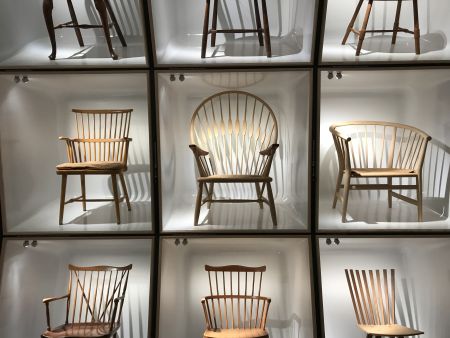 The museum’s allure extends far beyond its legacy collections. Entering the wings dedicated to contemporary design, visitors encounter a landscape alive with inventive energy and daring visions. Today’s designers simultaneously honor their predecessors and break free from every constraint, presenting astonishingly original forms while remaining rooted in responsibility and sustainability.
From lighting concepts inspired by organic geometry to flexible, sustainable materials reshaping the future of furniture design, these galleries provoke curiosity and reflection. Every visit becomes a dialog between decades, challenging perceptions of tradition and showing how Danish creative intelligence remains ever-adaptable, always relevant.
Interactive exhibitions and sensory engagement
The museum curates exhibitions that arouse all the senses. Touch, sight, and even sound are invited to take part in the storytelling, thanks to installations encouraging hands-on discovery. Delicate sketches, prototypes, and final masterpieces demystify the act of creation, revealing everything from first inspiration to meticulous finishing touches.
Engagement often extends beyond static displays. Workshops and live demonstrations enable guests to observe artisans up close, witnessing age-old methods reinterpreted through digital craftsmanship. It is here, amid the gentle cadence of hammer and loom, that visitors come face to face with the profound patience and expertise required for authentic danish design.
Guided tours: unlocking hidden narratives
Within this temple of aesthetics, guided tours elevate the experience to one of rare intellectual intimacy. Expert docents open secret avenues of interpretation, illuminating the discreet symbolism embedded within apparently simple objects. With tailored programs available, whether for discerning adults or curious young minds, one uncovers new layers of meaning during each passage through hallowed corridors.
These custom journeys grant access to stories otherwise lost: the philosophical beliefs animating pioneering danish designers, the cultural currents shaping twentieth-century Denmark, and the intimate diaries of those who shaped modern life with wood, fabric, and imagination.
The emotional resonance of iconic danish design
To step inside the Design Museum Denmark is to enter a sensory dialogue with time itself. This is no mere catalog of things; it is testimony to how crafted beauty can alter one’s sense of place and identity. Each bench, armchair, or luminaire possesses the power to conjure memories and inspire aspiration—graceful companions to the ever-unfolding rituals of daily existence.
Emotional responses are carefully courted through deliberate juxtaposition and serene negative space. The spatial choreography invites visitors to linger in contemplation, fostering a reverence akin to standing before an old master canvas. Rare archival photographs and letters offer glimpses into the intimate passions that fueled Denmark’s most celebrated makers, underscoring the humanity at the heart of luxury.
A destination for discerning travelers
Copenhagen’s Design Museum welcomes aesthetes and seekers of refinement from every continent, each drawn by the promise of authenticity unmarred by excess. For those arriving swaddled in the soothing cocoon of a private chauffeur-driven car, the transition from city avenue to museum foyer matches perfectly with the enveloping sensation that defines danish design: composed, understated, unforgettable.
The museum offers restful lounges that echo the ambiance within Denmark’s most exclusive ateliers, alongside bookshops and cafés curating specialty publications and delicacies. Every moment is designed to align with the pleasures of slowness, discernment, and lasting discovery—hallmarks of truly elevated travel.
- Exquisite seating areas inspired by iconic Danish chairs and sofas
- Curated library of monographs on legendary Danish designers
- Pop-up boutiques showcasing limited edition home accessories
- Bespoke gift wrapping using traditional Danish origami techniques
Frequently asked questions about experiencing danish design at the Copenhagen Design Museum
What highlights await visitors at Design Museum Denmark?
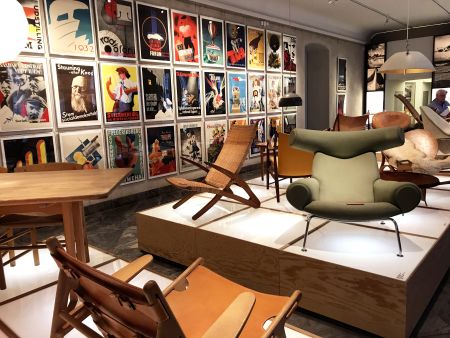 Guests enjoy a peerless overview of design history, spanning classical beginnings to today’s innovative movements in contemporary design. Iconic pieces, including renowned works by danish designers, sit alongside experimental creations reshaping the industry. Special exhibitions rotate throughout the year, offering unexpected perspectives and occasional collaborations with international artists.
- Furniture masterpieces (chairs, tables, lamps)
- Historic documents and designer sketches
- Immersive hands-on settings and workshops
- Sustainable and technology-forward design showcases
How do guided tours enhance one’s visit?
Guided tours allow deeper immersion into the world of danish modern and other signature styles. Experts share lesser-known anecdotes about pioneering figures, explain construction secrets, and connect design trends to Danish culture. Tour themes span family-friendly explorations to scholarly deep-dives.
| Tour Type | Focus Areas | Duration |
|---|---|---|
| Classic Highlights | Danish modern icons, signature collections | 60 minutes |
| In-Depth Craftsmanship | Techniques, materials, artisan interviews | 90 minutes |
| Familiy Discovery | Interactive, child-friendly activities | 45 minutes |
Which elements define iconic danish design?
Clarity, sincere functionality, and timelessness distinguish iconic danish design. Artisans favor natural materials, precise detailing, and forms that prioritize user comfort and visual serenity. Signature items include elegant lounge chairs, minimalist lighting fixtures, and refined storage solutions, many of which invite touch as much as admiration.
- Honest use of wood, wool, leather, and metal
- Sculptural balance between form and utility
- Connection to cultural and nature-inspired motifs
Are there educational experiences for children and young adults?
Yes, the museum thoughtfully caters to younger audiences with interactive workshops and specialized guides. Engaging activities help participants of all ages grasp the values of furniture design, sustainability, and visual storytelling. Family-focused programs inspire creativity while introducing the next generation to the wonders of danish design.
- Hands-on building stations and DIY kits
- Storytelling sessions around famous objects
- Themed scavenger hunts across exhibition halls